


by David Goldstein, VC PWA, IWMD
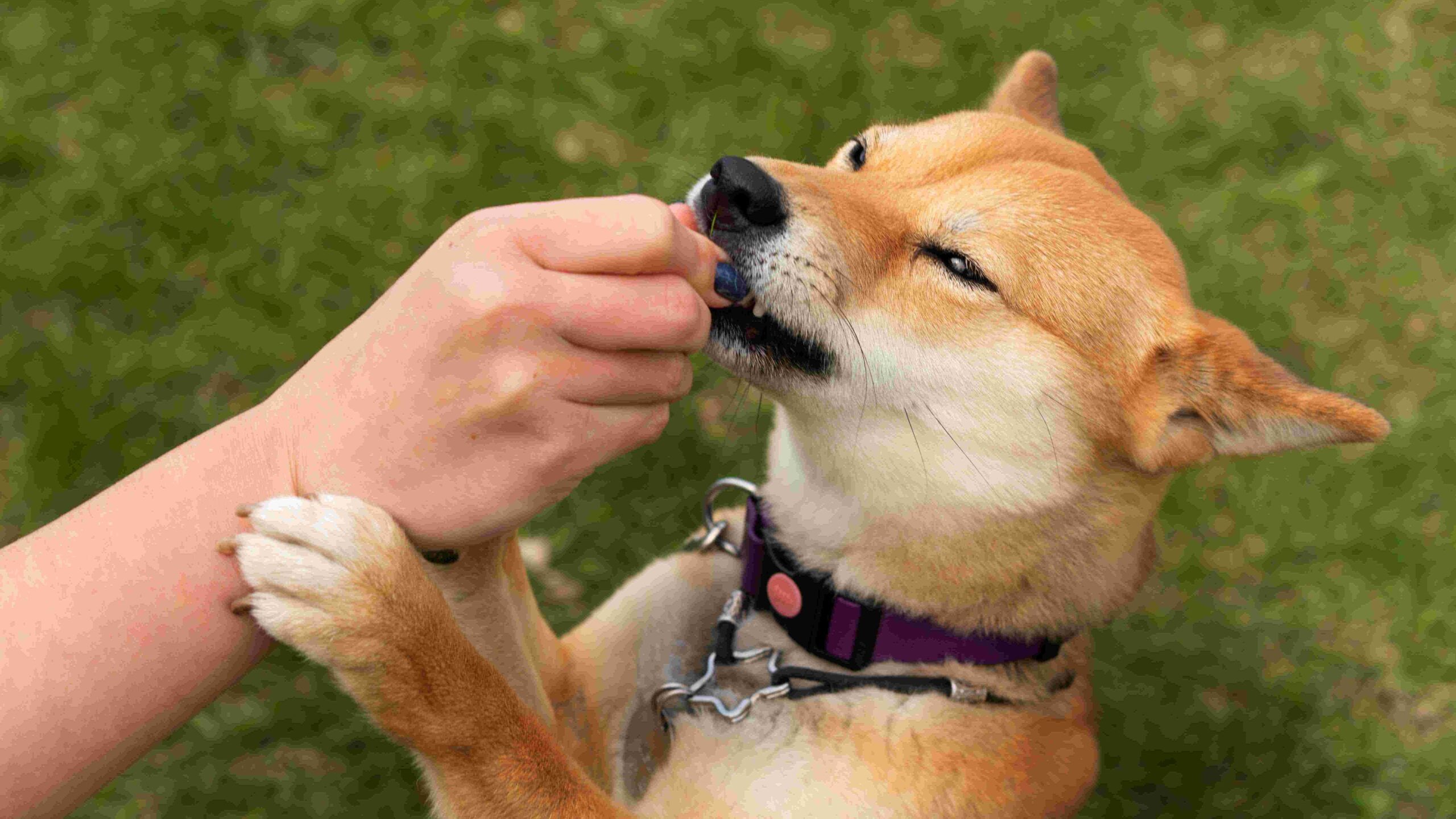
Some dogs pull sleds, some sniff for drugs at the border, and even some non-working dogs have jobs, such as my little cocker spaniel who used to drag in the newspaper every morning. But all dogs can contribute to the household by eating food waste.
Dogs are most helpful when food spills. They clean-up quicker than you can get a rag. Some people even allow their dogs to lick plates going into the dishwasher, saving pre-wash rinse water.
GoodRX, a public health website, advises that dogs should get most of their calories from pet food and warns of foods dogs should avoid. According to the website, dogs should not eat chocolate, avocadoes, cherries, apricots, grapes, raisins, tomatoes, mushrooms, onions, garlic, berries, rhubarb, candy, ice cream, uncooked dough and nut butters containing Xylitol.
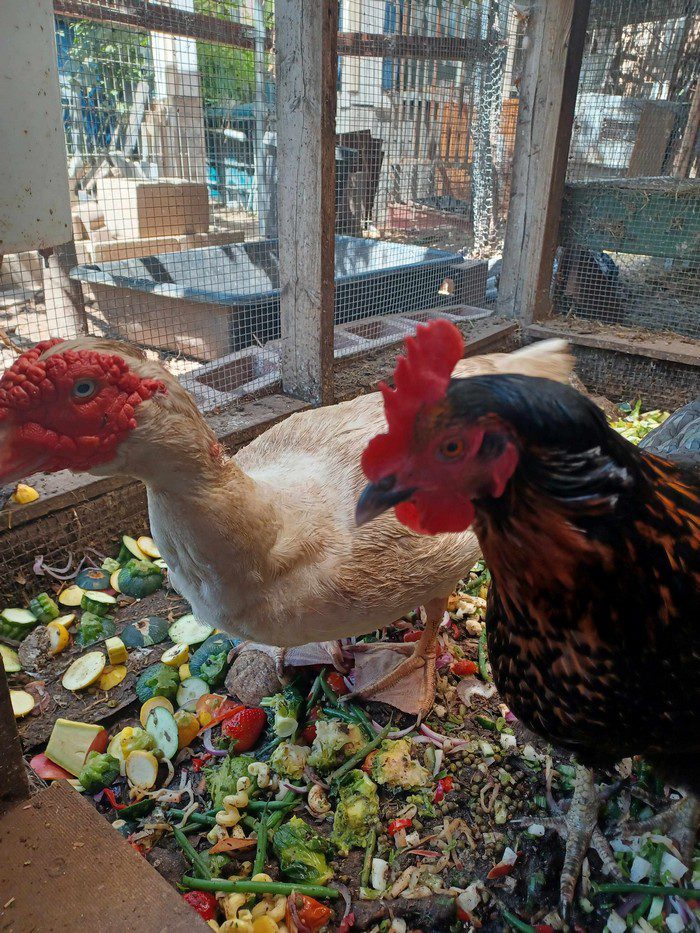
However, a few lucky dogs dispose of much more desirable food waste on a much larger scale. Pat Browne, a registered nurse with an additional degree in animal science and seven years as veterinary technician, receives meat trimmings collected by a local restaurant and cooks it as a special treat for her dogs and omnivore birds. First, she puts the meat in a grinder then into an insta-pot pressure cooker, which cooks the meat at over 220 degrees Fahrenheit and sanitizes it, cutting the risk of bacteria. After cooling, she freezes the meat into “Dog-sicles,” which, she says, “burst with delicious flavor in the dog’s mouths.”
Rabbits, dogs and sometimes even birds are great food-waste-eating pets for people with houses or townhomes, but even people who live in apartments can partner with animals to make good use of food waste. I maintained a worm box on my balcony when I lived in an apartment, and still practice vermiculture at home and at work. Start with shredded, soaked newspaper or cardboard in a plastic box with a lid. Drill holes in the bottom of the box for drainage and air. Elevate it on blocks slightly above a plant saucer to catch excess moisture, which can be used, along with worm castings to feed plants.
Local ordinances regulate the numbers and types of pets one can have, as well as the setback required to keep animals such as chickens away from neighbors. Nuisance prevention ordinances also regulate the smell, noise, and vectors that can be caused by improper care and feeding of animals. Goats, for example, are clearly limited to rural areas. However, according to Browne, a small yard, even just 500 square feet, can accommodate 10 birds, four rabbits, and four dogs together. She has one third of an acre and raised chickens for years, but now prefers Muscovies.
A Muscovy is sometimes called a duck, and some city ordinances say ducks are not allowed on residential properties. However, Browne maintains the Muscovy is an exotic water bird, not related to Mallard ducks. Unlike a chicken or duck, Muscovies do not “call” and are almost silent. This makes Muscovy “a perfect urban partner who eats like a chicken and lays bigger eggs, but without noise,” according to Brown.
Further avoiding problems, Browne uses a rat-proof enclosure for feeding food scraps to these birds. The birds tend to bury uneaten material, and Browne composts the rest. Rabbits can be partnered to eat vegetarian items.
On a commercial scale, some animals eat large amounts of food waste. Pigs and cows eat the “spent” fermented grain from local breweries, and at least two local cattle ranchers feed their cattle citrus discarded by fruit packing facilities.
Businesses can create a free account on the food donation app Careit to post surplus scraps, and farmers can sign up to receive the food for free. Account types are differentiated between nonprofits rescuing food for human consumption and farms rescuing food for animals. Businesses indicate a food category when posting, such as dairy, produce, or meat for human consumption, or they can select the animal feed category.
On an even larger industrial scale, Agromin, based in Oxnard and known for its composting facilities statewide, expects to open next year a site on Mountain View Drive, where select loads of regional food waste will be turned into animal feed.
For most people, keeping food scraps separate from other garbage and putting it into a curbside yard waste cart is enough of a challenge. However, for those who want to reduce the hauling required for their recycling, feeding food waste to pets can be a great way to reuse a resource, save water, and reduce food costs at home. Consult your veterinarian about the limits or needs of your pets.
Visit www.goodrx.com/pet-health/dog and Careit.com to learn more.
David Goldstein, Environmental Resource Analyst with the Ventura County Public Works Agency, may be reached at (805) 658-4312 or david.goldstein@ventura.org
