


by Richard Senate
When Dr. Cephas L. Bard died in 1902, his funeral procession included more than 300 carriages. His obituary called him “the most beloved man in Ventura.” Many mourners had been delivered into the world by him, including the poor, whom he treated with the same care as the wealthy. Those unable to pay in cash often brought items of value—Spanish spurs, Chumash baskets, stuffed animals—which filled his waiting room. This collection became the foundation of the Ventura County Pioneer Museum.
Born into a family of doctors in Chambersburg, Pennsylvania, Bard enlisted in the Union Army during the Civil War, serving as an assistant surgeon. After the war, he returned to a town ravaged by Confederate raids, finished his education, and moved to Ventura in 1868 on his brother Thomas’s advice. Thomas, a railroad engineer exempt from the war, had come west to scout for oil. He drilled Ventura County’s first oil well and became its richest man.
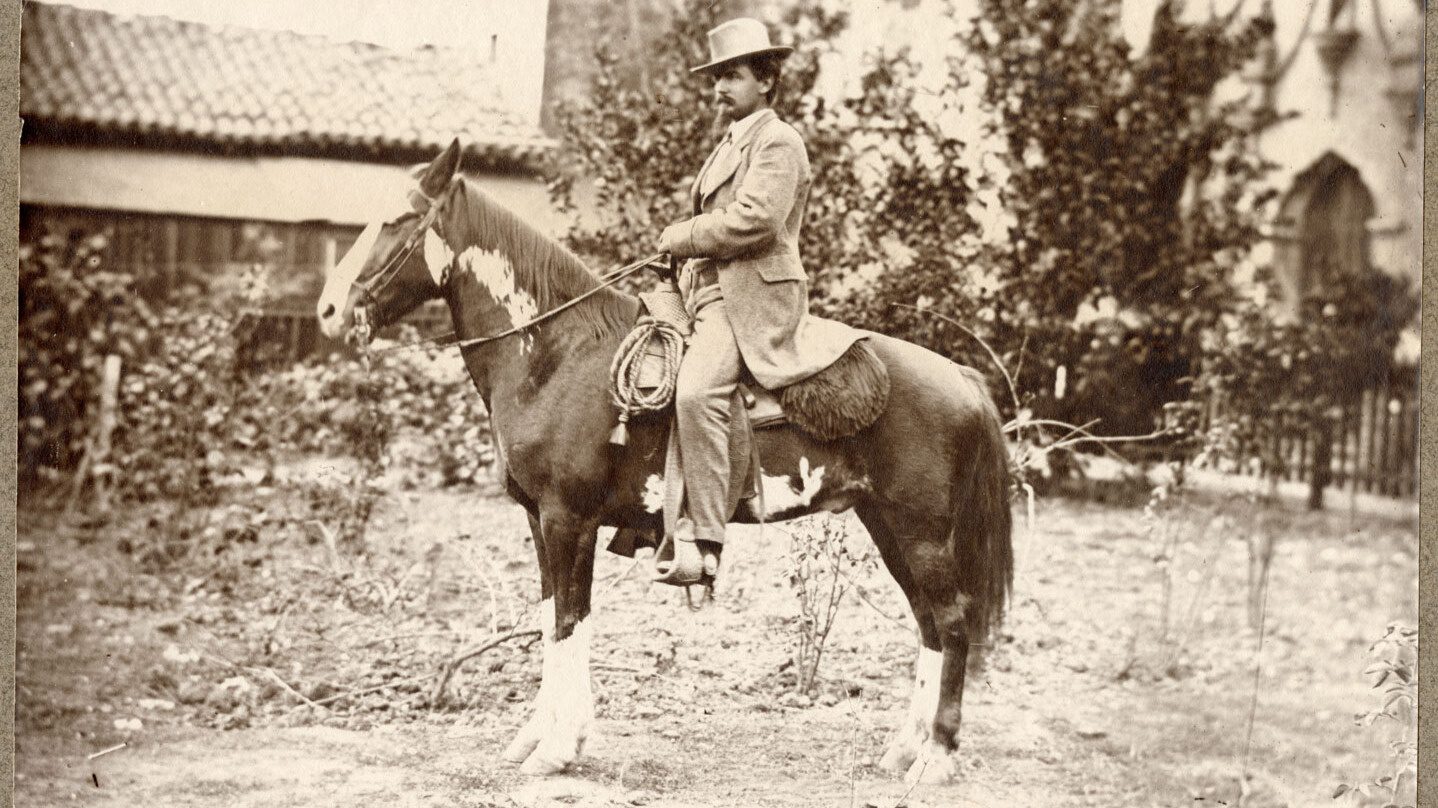
Cephas opened a medical practice and soon became a familiar sight on his white horse “Kit,” making house calls throughout the county. He treated everyone, including the Chumash, from whom he learned herbal healing methods. Unlike many doctors of the time, Bard respected Native traditions and wrote a paper on Chumash medicinal practices.
He married Clara Winters Gerberding. At their wedding, Thomas Bard met Clara’s younger sister Mary and later married her. Cephas and Clara had two children: Blanch and Albert.
Dr. Bard became county coroner and was active in the historical society and the Grand Army of the Republic, a Union veterans’ group. He dreamed of building a modern hospital in Ventura and persuaded his wealthy brother to help. The resulting Elizabeth Bard Memorial Hospital—named after their mother—featured four skylit operating rooms and wards over looking the bay. Though it later served as the county hospital, it now houses offices.
Tragically, Bard became ill during the hospital’s dedication party and was its first admitted patient. Despite weeks of care, he died in 1902, with his daughter and son at his side. His wife, Clara, from whom he was estranged, did not come. Per his wishes, Bard was cremated and his ashes placed in a sealed urn, now entombed in the hospital he helped build.
Dr. Bard gave everything to his practice—so much that it cost him his marriage. He should be remembered not only for his skill but for his compassion, open-mindedness, and vision. A statue in Ventura would be a fitting tribute to ensure his legacy endures.
